Korean Bibimbap
Highlighted under: International Cooking
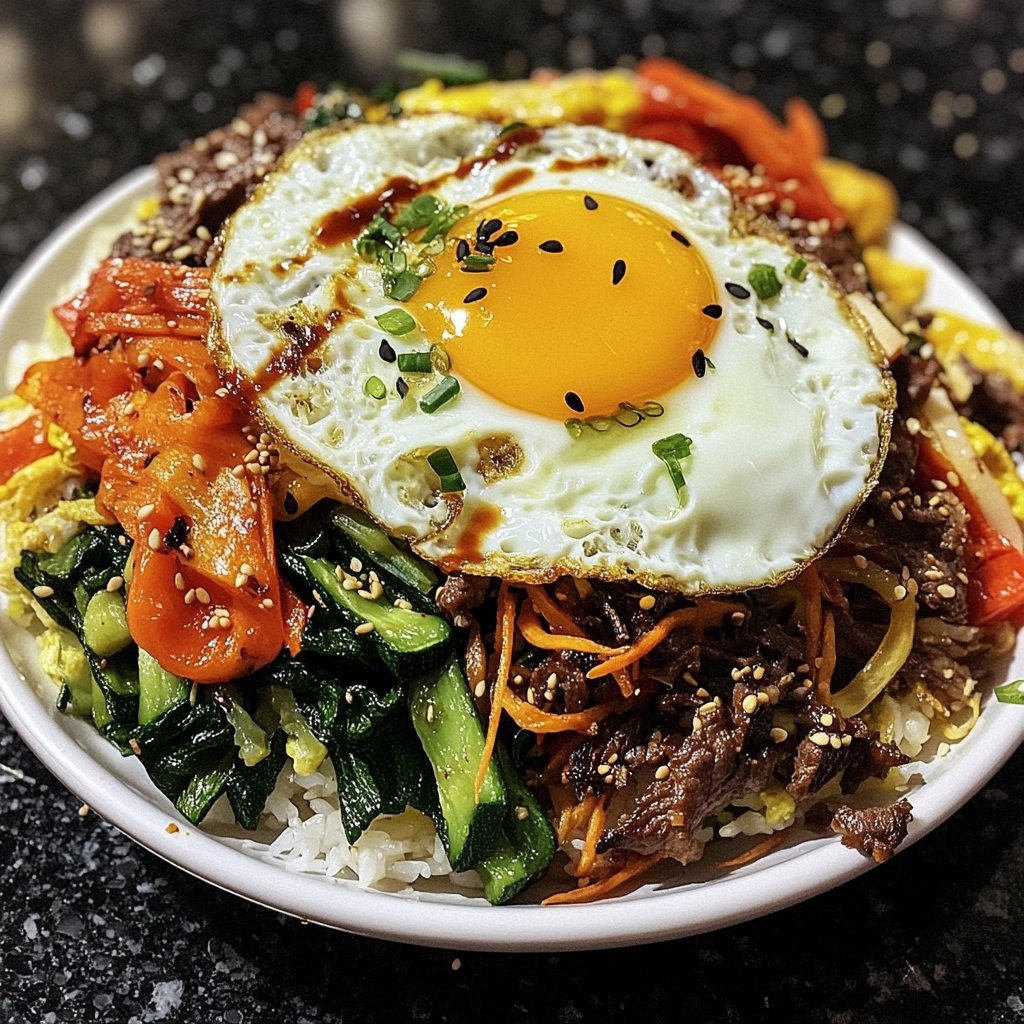
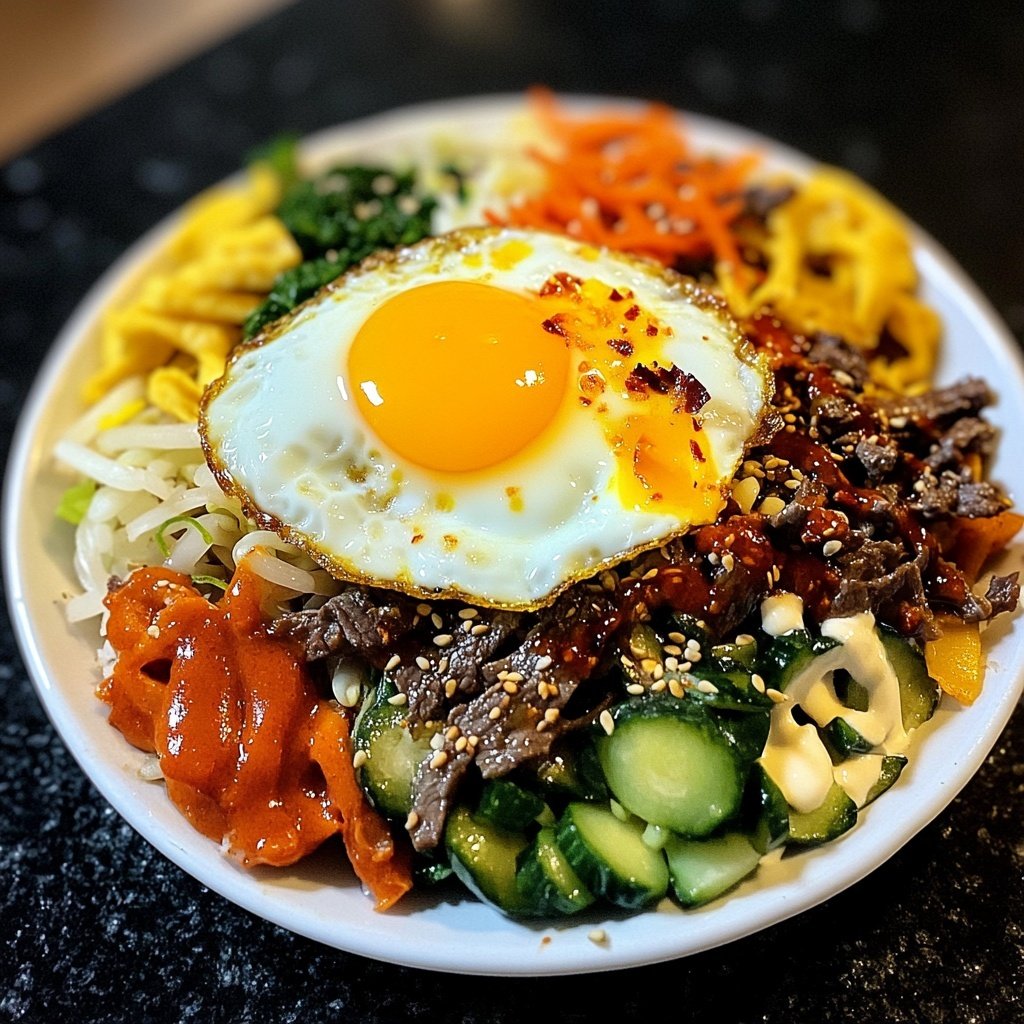
Korean Bibimbap is a vibrant and delicious dish that combines rice with a variety of vegetables, meat, and a fried egg, all topped with spicy gochujang sauce.
Korean Bibimbap is not just a meal; it's a celebration of flavors and colors. Each ingredient tells a story, and when mixed together, they create a harmonious dish that is both satisfying and nourishing.
Why You'll Love This Recipe
- A colorful mix of fresh vegetables and savory flavors
- Customizable with your choice of protein or meat
- Quick and easy to prepare for busy weeknights
The Origins of Bibimbap
Bibimbap is a traditional Korean dish that dates back to the 19th century. The name translates to 'mixed rice,' which perfectly describes the dish's preparation and presentation. Historically, it was served as a royal dish, showcasing the artistry of Korean cuisine with its colorful assortment of ingredients. The combination of flavors and textures reflects the balance that is highly valued in Korean cooking.
Originally, Bibimbap was a way to use leftover ingredients, making it an economical yet flavorful meal. Each region in Korea has its own variation, incorporating local ingredients and culinary techniques. This adaptability makes Bibimbap not only a beloved dish in Korea but also a favorite among food lovers worldwide.
Nutritional Benefits
Korean Bibimbap is not only delicious but also highly nutritious. The dish is packed with vitamins and minerals from the variety of vegetables used, such as spinach and carrots. These ingredients are rich in antioxidants, which help combat oxidative stress and support overall health. The inclusion of protein, whether from beef or tofu, ensures a balanced meal that keeps you satisfied.
Additionally, the use of gochujang adds a spicy kick while providing health benefits. This fermented chili paste contains probiotics that promote gut health. With the right balance of carbohydrates, proteins, and fats, Bibimbap is a wholesome meal option that can easily fit into a healthy diet.
Customizing Your Bibimbap
One of the best aspects of Bibimbap is its versatility. You can customize it according to your dietary preferences and seasonal ingredients. For a vegetarian option, simply skip the meat and load up on more vegetables like mushrooms, bell peppers, or even avocado for a creamy texture. You can also experiment with grains like brown rice or quinoa for added nutrition.
Feel free to adjust the level of spice by varying the amount of gochujang you use or by adding other condiments like kimchi or pickled vegetables. This makes Bibimbap a perfect dish for family gatherings, as everyone can create their own unique bowl tailored to their taste.
Ingredients
For the Bibimbap
- 2 cups cooked white rice
- 1 cup spinach, blanched
- 1 cup bean sprouts, blanched
- 1 carrot, julienned
- 1 zucchini, julienned
- 100g beef or tofu, stir-fried
- 2 eggs
- 2 tablespoons gochujang (Korean red pepper paste)
- Sesame oil to taste
- Sesame seeds for garnish
Feel free to adjust the ingredients based on your preference!
Instructions
Prepare the Vegetables
Blanch the spinach and bean sprouts in boiling water for 1-2 minutes, then drain and set aside. Julienne the carrot and zucchini.
Cook the Protein
Stir-fry the beef or tofu in a pan over medium heat until cooked through. Season with soy sauce and a dash of sesame oil.
Fry the Eggs
In a separate pan, fry the eggs sunny-side up until the whites are set but the yolks are still runny.
Assemble the Bibimbap
In a bowl, place a serving of rice and arrange the blanched vegetables, cooked protein, and fried egg on top. Add a dollop of gochujang and drizzle with sesame oil.
Serve
Mix everything together before eating and enjoy your delicious Korean Bibimbap!
For an extra kick, you can add more gochujang or even some kimchi on the side!
Pro Tips
- Feel free to customize this recipe with your favorite vegetables and proteins. You can also use brown rice for a healthier option.
Cooking Tips for Perfect Bibimbap
To achieve the best texture in your Bibimbap, use short-grain rice, which is stickier and holds together well. This will help when mixing all the ingredients together. Make sure to prepare all your ingredients beforehand, as Bibimbap is best enjoyed fresh and hot. Prepping your vegetables and protein in advance can make the cooking process quick and effortless.
When frying the eggs, consider using a non-stick pan to prevent sticking and ensure a perfect sunny-side-up finish. For the ultimate flavor, drizzle a bit of sesame oil over the rice before adding the toppings. This simple step elevates the dish and adds a rich aroma.
Serving Suggestions
Bibimbap can be served as a main dish or as part of a larger Korean meal. Pair it with traditional sides like kimchi and pickled radishes to enhance the flavors. For a refreshing drink, consider serving it with traditional Korean beverages like barley tea or a light soju.
If you're making Bibimbap for a gathering, consider presenting it in a stone bowl (dolsot) for a crispy rice crust. This not only adds a unique texture but also keeps the dish warm as guests enjoy their meal. Don't forget to provide extra gochujang on the side for those who prefer a spicier kick!
Questions About Recipes
→ Can I make Bibimbap vegetarian?
Absolutely! Just skip the meat and load up on more vegetables or tofu.
→ What can I use instead of gochujang?
You can use sriracha mixed with a bit of sugar as a substitute, but the flavor will be different.
→ Can I prepare the ingredients in advance?
Yes, you can prepare the vegetables and cook the rice a day ahead for a quicker assembly.
→ Is Bibimbap gluten-free?
If you use gluten-free soy sauce, Bibimbap can be made gluten-free.
Korean Bibimbap
Created by: Nerissa Caldwell
Recipe Type: International Cooking
Skill Level: Intermediate
Final Quantity: 2 servings
What You'll Need
For the Bibimbap
- 2 cups cooked white rice
- 1 cup spinach, blanched
- 1 cup bean sprouts, blanched
- 1 carrot, julienned
- 1 zucchini, julienned
- 100g beef or tofu, stir-fried
- 2 eggs
- 2 tablespoons gochujang (Korean red pepper paste)
- Sesame oil to taste
- Sesame seeds for garnish
How-To Steps
Blanch the spinach and bean sprouts in boiling water for 1-2 minutes, then drain and set aside. Julienne the carrot and zucchini.
Stir-fry the beef or tofu in a pan over medium heat until cooked through. Season with soy sauce and a dash of sesame oil.
In a separate pan, fry the eggs sunny-side up until the whites are set but the yolks are still runny.
In a bowl, place a serving of rice and arrange the blanched vegetables, cooked protein, and fried egg on top. Add a dollop of gochujang and drizzle with sesame oil.
Mix everything together before eating and enjoy your delicious Korean Bibimbap!
Extra Tips
- Feel free to customize this recipe with your favorite vegetables and proteins. You can also use brown rice for a healthier option.
Nutritional Breakdown (Per Serving)
- Calories: 500 kcal
- Total Fat: 18g
- Saturated Fat: 4g
- Cholesterol: 160mg
- Sodium: 600mg
- Total Carbohydrates: 70g
- Dietary Fiber: 5g
- Sugars: 3g
- Protein: 20g