Duck Breast with Pomegranate Glaze
Highlighted under: International Cooking
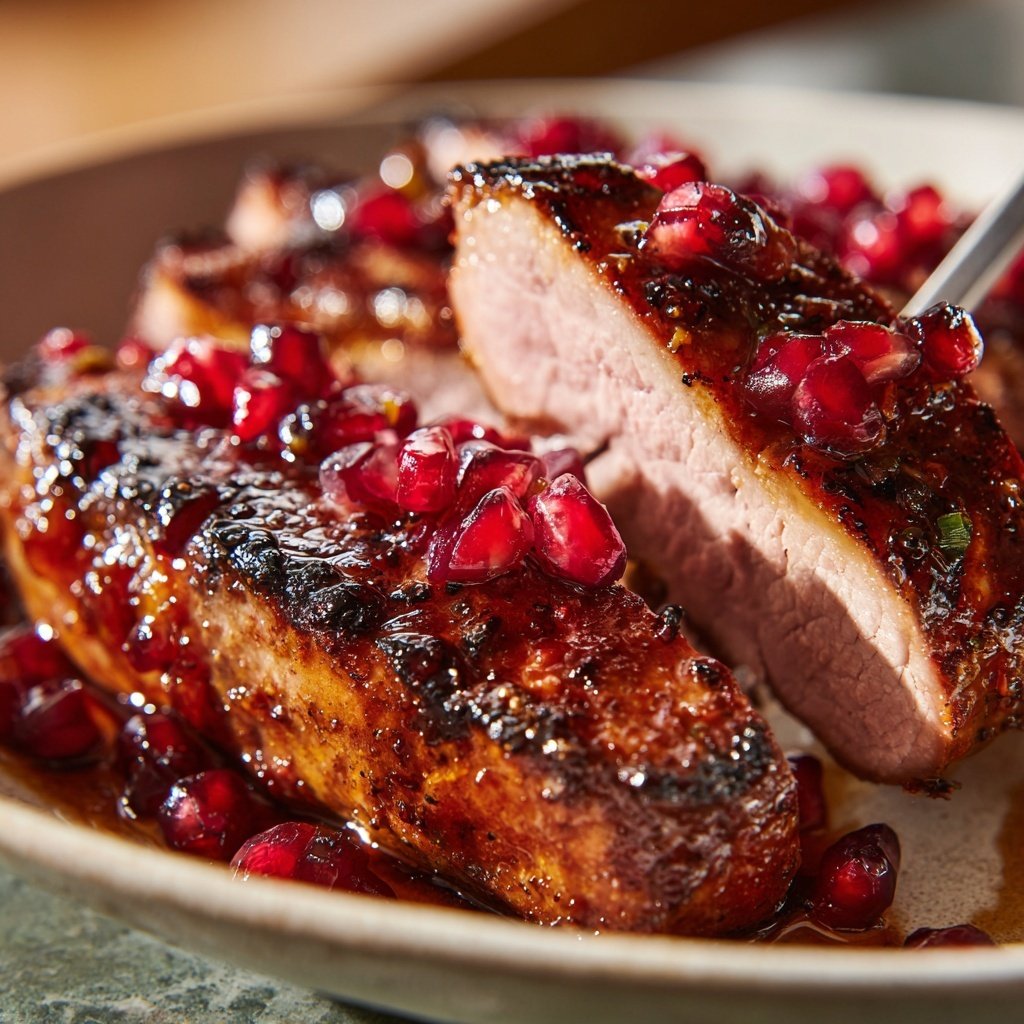
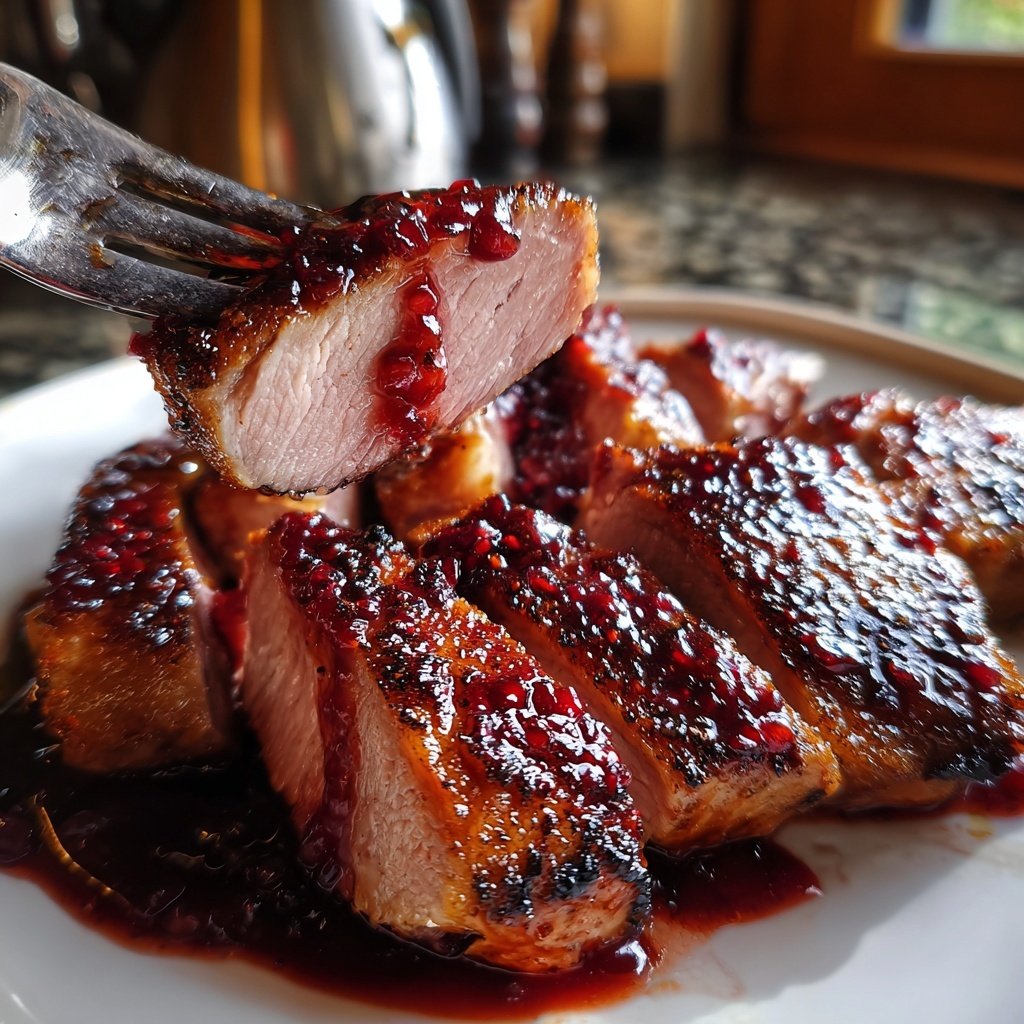
I love the rich taste of duck, and this Duck Breast with Pomegranate Glaze recipe is one of my favorites. The combination of the succulent meat and the sweet-tart glaze brings a unique flavor balance that always impresses my guests. I prepare this dish for special occasions, but it’s easy enough to enjoy any night of the week. The key to success here is ensuring the duck skin is crispy while the meat remains tender, resulting in a dish that’s both beautiful and delicious.
When I first tried making a pomegranate glaze, I was amazed at how easily it elevated the duck's flavor. I simmered fresh pomegranate juice with a touch of honey and balsamic vinegar until it thickened, creating a luxurious sauce that pairs beautifully with the rich duck breast. Cooking it down not only concentrates the flavors but also adds a lovely glossy finish that makes the dish look restaurant-worthy.
One crucial tip I learned is to score the duck skin before cooking. This allows the fat to render out, helping the skin achieve that perfect crispiness while keeping the meat juicy. I’ve found that a scorching hot pan does the trick brilliantly, giving me that mouthwatering result every time.
Why You Will Love This Recipe
- The exquisite sweetness of the pomegranate glaze complements the savory duck perfectly.
- The crispy skin paired with the tender, juicy meat creates an irresistible texture.
- Simple ingredients combine to create a stunning dish that's sure to impress.
Mastering Duck Cooking Techniques
To achieve the perfect duck breast, mastering the cooking technique is essential. Starting in a cold skillet allows the fat beneath the skin to slowly render out, which is crucial for achieving that crispy texture. Keep the heat at medium, as too high a flame can burn the skin before it crisps properly. You’ll know it’s ready to flip when the skin looks a deep golden brown and has shrunk slightly, indicating rendered fat has been released.
Always let the duck rest after cooking. This step is vital as it allows the juices to redistribute throughout the meat, ensuring every slice is as juicy as possible. If you cut into the duck immediately, the juices will spill out, giving you a less satisfying eating experience. A good resting time is about 5-10 minutes, during which you can prepare your pomegranate glaze.
Perfecting the Pomegranate Glaze
The key to a successful pomegranate glaze lies in the balance of flavors. Use 100% pure pomegranate juice to get the rich flavor you want; avoid blends that have added sugars or concentrates. By mixing in honey, you add a natural sweetness that enhances the glaze’s complexity without overwhelming the tartness of the pomegranate. If you prefer a less sweet version, reduce the honey to one tablespoon or swap it with maple syrup for a different flavor profile.
Cooking the glaze to the right consistency is also crucial. When you add the cornstarch slurry, you want to see it thicken notably, turning glossy and coating the back of a spoon. If it becomes too thick, you can always add a bit of water to loosen it. On the contrary, if it’s too runny, let it simmer for an additional minute or two until it reaches your desired thickness. This attention to detail will elevate your dish significantly!
Serving Suggestions and Pairings
For an elevated dining experience, consider serving your duck breast with sides that complement its rich flavors. Roasted vegetables, such as Brussels sprouts or root vegetables, add a nice texture and earthiness. A creamy potato puree can also be a luxurious pairing, balancing out the dish while soaking up the delicious pomegranate glaze. Likewise, a fresh arugula salad drizzled with a citrus vinaigrette can offer a refreshing contrast.
If you're looking to scale up your recipe for a gathering, doubling the glaze ingredients ensures everyone gets a generous drizzle. Similarly, cooking multiple duck breasts at once can be achieved by using a larger skillet or finishing them in the oven. Just remember to monitor their doneness closely, as they might cook slightly faster in a crowded pan due to increased heat distribution.
Ingredients
For Duck Breast
- 2 duck breasts
- Salt and pepper to taste
For Pomegranate Glaze
- 1 cup pomegranate juice
- 2 tablespoons honey
- 1 tablespoon balsamic vinegar
- 1 tablespoon cornstarch
Instructions
Prepare the Duck
Score the skin of the duck breasts in a diamond pattern. Season both sides with salt and pepper.
Cook the Duck
Place the duck breasts skin-side down in a cold, dry skillet. Turn the heat to medium and cook until the skin is crispy, about 8-10 minutes. Flip and cook for another 5-7 minutes or until the desired doneness is reached. Remove from the pan and let rest.
Make the Glaze
In a saucepan, combine pomegranate juice, honey, and balsamic vinegar. Bring to a boil, then reduce to a simmer. Mix cornstarch with a little water to create a slurry, then whisk it into the glaze. Cook until thickened, about 3-5 minutes.
Serve
Slice the duck breast and drizzle the pomegranate glaze over the top. Serve immediately with your choice of sides.
Pro Tips
- For an added flavor boost, consider marinating the duck breasts in some garlic and herbs for a few hours before cooking. Also, pair this dish with a side of steamed vegetables or a fresh salad for a complete meal.
Ingredient Insights
Duck breasts are a flavorful cut of meat, rich in umami and perfect for roasting due to their high-fat content. A high-quality duck breast will have firm skin, and a good ratio of fat to meat. If you're unable to find duck, you can substitute with chicken thighs, though the flavor profile will differ significantly. Aim for skin-on chicken thighs to retain moisture, and adjust cooking times accordingly, as they generally require less time to crisp up.
Pomegranate juice not only brings a beautiful color and sweet-tart flavor to the dish but is also packed with antioxidants. For a twist, consider using blood orange juice for your glaze, which adds a depth of flavor while providing a vibrant hue. To amp up the glaze’s flavor, experiment with adding a sprig of rosemary or a pinch of cinnamon while it simmers.
Storing and Reheating Tips
If you have leftovers, store the duck breast in an airtight container in the refrigerator for up to three days. To maintain the crispy skin, consider reheating the duck in a skillet over medium-low heat instead of the microwave, which can make it rubbery. Just a few minutes per side should help retain that delicious texture while warming through the meat.
The pomegranate glaze can be refrigerated in a separate container for up to a week. If it thickens too much after refrigeration, simply reheat it in a saucepan over low heat and whisk in a splash of water or additional pomegranate juice to get it back to the desired consistency. This way, you can enjoy this delightful dish again without much hassle!
Questions About Recipes
→ Can I use frozen duck breasts?
Yes, just make sure to thaw them completely in the refrigerator before cooking for even results.
→ What side dishes pair well with duck breast?
Roasted vegetables, mashed potatoes, or a fresh salad work wonderfully alongside.
→ How do I know when the duck is cooked?
Use a meat thermometer; duck breast is best served medium rare at an internal temperature of 135°F (57°C).
→ Can I prepare the glaze in advance?
Absolutely! You can make the glaze ahead of time and store it in the fridge for up to a week.
Duck Breast with Pomegranate Glaze
Created by: Nerissa Caldwell
Recipe Type: International Cooking
Skill Level: Intermediate
Final Quantity: 4 servings
What You'll Need
For Duck Breast
- 2 duck breasts
- Salt and pepper to taste
For Pomegranate Glaze
- 1 cup pomegranate juice
- 2 tablespoons honey
- 1 tablespoon balsamic vinegar
- 1 tablespoon cornstarch
How-To Steps
Score the skin of the duck breasts in a diamond pattern. Season both sides with salt and pepper.
Place the duck breasts skin-side down in a cold, dry skillet. Turn the heat to medium and cook until the skin is crispy, about 8-10 minutes. Flip and cook for another 5-7 minutes or until the desired doneness is reached. Remove from the pan and let rest.
In a saucepan, combine pomegranate juice, honey, and balsamic vinegar. Bring to a boil, then reduce to a simmer. Mix cornstarch with a little water to create a slurry, then whisk it into the glaze. Cook until thickened, about 3-5 minutes.
Slice the duck breast and drizzle the pomegranate glaze over the top. Serve immediately with your choice of sides.
Extra Tips
- For an added flavor boost, consider marinating the duck breasts in some garlic and herbs for a few hours before cooking. Also, pair this dish with a side of steamed vegetables or a fresh salad for a complete meal.
Nutritional Breakdown (Per Serving)
- Calories: 380 kcal
- Total Fat: 26g
- Saturated Fat: 15g
- Cholesterol: 195mg
- Sodium: 85mg
- Total Carbohydrates: 32g
- Dietary Fiber: 3g
- Sugars: 24g
- Protein: 6g